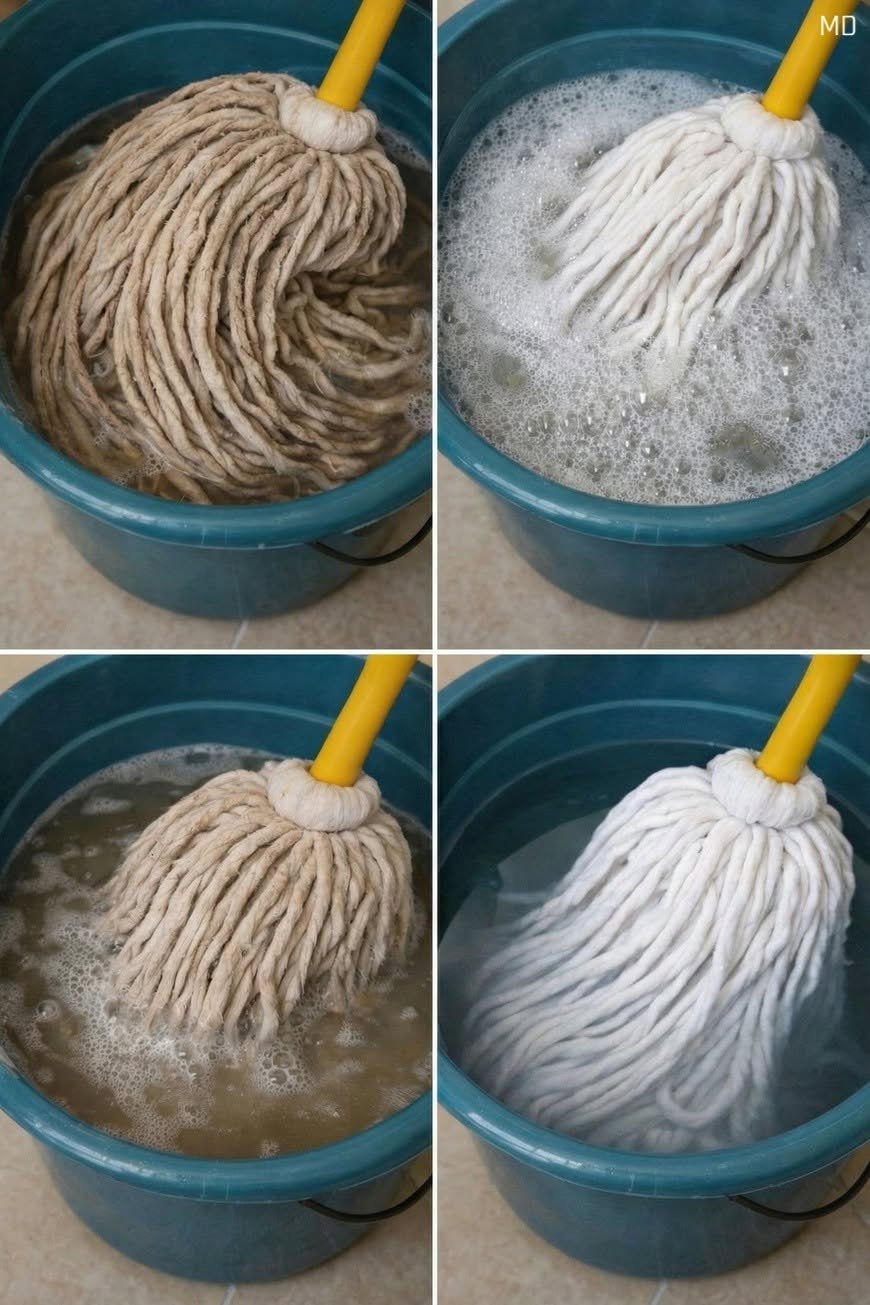
Most people think about cleaning their floors, countertops, and furniture on a regular basis, but there’s one important cleaning tool that often gets overlooked—the mop itself. Because mops are used to pick up dirt, dust, spills, and residue, they can quickly become dirty over time. If a mop isn’t cleaned properly, it may end up spreading grime around the floor instead of removing it. That’s why taking a few extra minutes to care for your mop after each use can make a noticeable difference in the cleanliness of your home. A clean mop not only works more effectively but also helps maintain a fresher and more hygienic living space.
When a mop starts looking worn or develops an unpleasant odor, many people assume it’s time to replace it. However, that’s often unnecessary. Unless the mop fibers are severely damaged or falling apart, most mop heads can be refreshed and restored with simple cleaning techniques. This can help save money, reduce household waste, and extend the life of a tool you already own. The good news is that you don’t need expensive cleaning products to get the job done. Several common household ingredients can help remove buildup, eliminate odors, and leave your mop feeling much cleaner.
One of the most effective and affordable options is baking soda. Known for its deodorizing and cleaning properties, baking soda can help break down residue that accumulates in mop fibers over time. To use it, simply dissolve about half a cup of baking soda in a bucket of warm water and soak the mop head for a couple of hours. Once the soaking process is complete, rinse the mop thoroughly until the water runs clear. For a deeper clean, many washable mop heads can also be placed in the washing machine. Adding a small amount of baking soda along with your regular detergent can help freshen the fibers and remove stubborn buildup. The result is a cleaner, brighter mop that is ready for future use.
Other natural cleaning solutions can be just as helpful. White vinegar is often used to neutralize odors and loosen residue when mixed with warm water. Lemon juice can provide a pleasant fresh scent while assisting with gentle cleaning. Some people also like adding a few drops of tea tree oil to their cleaning solution for an extra refreshing touch. Regardless of the method you choose, one step should never be skipped: allowing the mop to dry completely before storing it away. Proper drying helps prevent unwanted odors and keeps the fibers in better condition. With just a little routine maintenance, your mop can stay cleaner, last longer, and continue helping you keep your home looking its best. Sometimes the secret to cleaner floors isn’t buying a new mop—it’s simply taking better care of the one you already have.
Website Disclaimer
The information provided on this website is for general informational and educational purposes only. While we strive to ensure that all content is accurate and up to date, we make no guarantees regarding the completeness, reliability, or accuracy of any information published.
The views and opinions expressed in articles belong to their respective authors and do not necessarily reflect the views of this website. Any action you take based on the information found on this website is strictly at your own risk. We will not be liable for any losses, damages, or inconveniences arising from the use of our content.
Some articles may contain opinions, third-party information, or external links. We do not endorse or guarantee the accuracy of content on external websites and are not responsible for their practices or policies.
All content on this website is provided in good faith and is intended for informational purposes only. Readers are encouraged to verify information independently and seek professional advice where appropriate.